

What is an Earnest Money Deposit? A Guide for Buyers and Sellers
When you put an offer on a home, you’d want to do everything you can to make your bid more competitive. One way to do this is through earnest money. But what is it, exactly? And how much do you need?

Since providing earnest money deposits is an essential part of the home buying process, here’s what you should know about them.
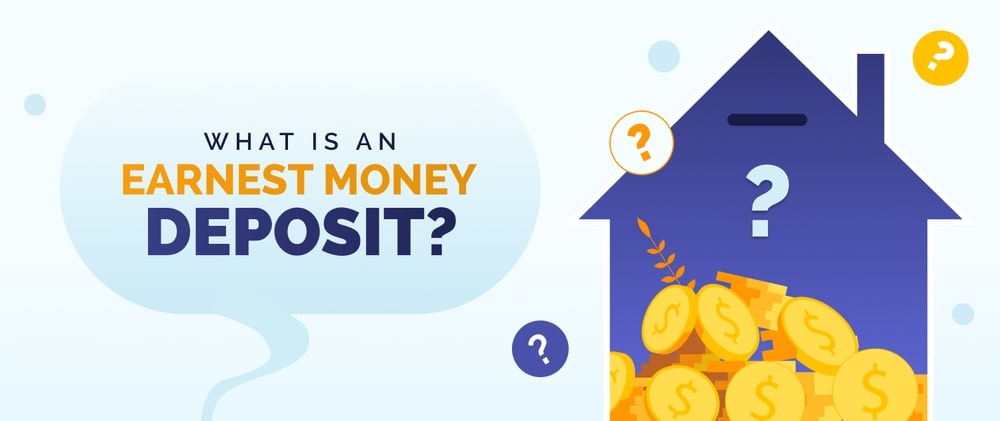
Earnest money is an upfront deposit that a buyer makes when planning to purchase a home, showing that they’re making a serious offer. It’s also called a “good faith deposit” because the buyer is proving to the seller that they have every intention of buying the property if their conditions are met.
When a buyer and seller enter into a purchase agreement, the seller takes the home off the market while the transaction moves through the entire process to closing. Having earnest money keeps the buyer committed to moving forward with the home purchase while also giving the seller enough confidence and insurance to stop accepting new offers.
It’s important to remember that earnest money is different from the down payment. This deposit is usually cashed and held in a neutral third-party, such as the title company’s trust account or the broker’s escrow company account, for safe-keeping until the purchase agreement is either completed or terminated.

An earnest money deposit isn’t required, as there are no laws stating that home offers must have money attached to them. But it’s a common practice and even a necessity, especially if you’re shopping for a home in a competitive market. Sellers are likely to favor an offer that includes an earnest money commitment as it provides them extra assurance. If it’s a seller’s market and you’re going up against multiple offers, you might be better off submitting an offer with earnest money attached.

While there are no set amounts, most home buyers offer between one percent to three percent of the home’s sale price. The amount you’ll deposit as earnest money will also depend on factors such as the current market, the local policies and limitations in your state, what’s customary in your market, or even what the seller requires. You can deposit more if you want to make your offer stand out, or offer less if you’re in a buyer’s market.
Work with a knowledgeable real estate agent to help you understand how much earnest money to offer. If you plan to purchase a home in a neighborhood where cash offers and bidding wars are common, they may recommend a higher good faith deposit as you could risk losing the home to the one with a stronger offer. But if it’s a slow or moderate market, a good faith deposit in the standard range may suffice.

Your earnest money deposit will stay in the escrow account until you officially close on the home. Assuming that the deal goes smoothly, the deposit is then applied to your down payment or closing costs. Essentially, you’re just putting up some of the money upfront.
For some loans that don’t require a down payment, such as VA and USDA loans, the earnest money will be applied directly to closing costs. If the earnest money deposit is more than the closing costs, the buyer can get the remainder back.

But what if the deal falls through and you’re unable to close on the home, will you get your earnest money back? It depends on how the purchase agreement is written. Your contract includes contingencies that spell out when the earnest money is refundable and when it becomes nonrefundable, as well as how the refund is handled.
If you include contingencies with your offer, you’ll get the earnest money back if a contingency isn’t met. For example, if you’ve included a home inspection contingency in your offer and the home inspection reveals structural damage or severe defects, you may choose to cancel the home purchase and your earnest money deposit will be refunded. Additionally, if a financing contingency is included in the contract and your financing falls through because of appraisal or approval issues, you’ll get your money back.
But if you break the contract without cause, back out of the deal for a reason not listed in any of the contingencies, or simply change your mind about the purchase, the seller might be able to keep your earnest money. You may also lose your earnest money if you cancel the deal after your contingencies have passed their expiration dates.
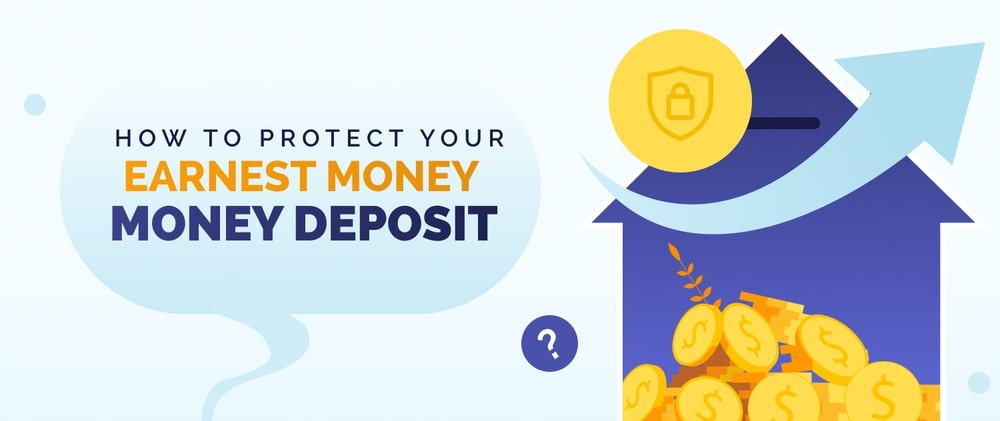
Earnest money deposits can mean several thousand dollars—a huge sum that can be put towards other aspects of your homeownership dream. This is why it’s important to take steps to protect your money. The best way is to talk to your real estate agent about ways to safeguard your deposit, and have them walk you through the entire purchase contract before you sign anything. Other things you can do to protect your earnest money include:
Using an escrow account: Never give funds directly to a home seller, or wire the money to the real estate brokerage, attorney or title company without first confirming the wire instructions have been sent from a legitimate source. When the funds are deposited, make sure you get a receipt.
Understanding the terms of your contingencies: Again, your agent or real estate attorney can explain all contingencies and what your obligations are as the buyer, as well as the best way to waive a contingency if that’s the right strategy. Make sure you know your end of the bargain and in what circumstances you would keep or forfeit the earnest money.
Staying on top of deadlines: The contract will likely include a timeline of when things need to be done, such as the inspection or loan approval. If you miss a deadline, the seller might claim you’re in breach of contract, which means they could terminate the agreement and keep your earnest money deposit.


Since providing earnest money deposits is an essential part of the home buying process, here’s what you should know about them.
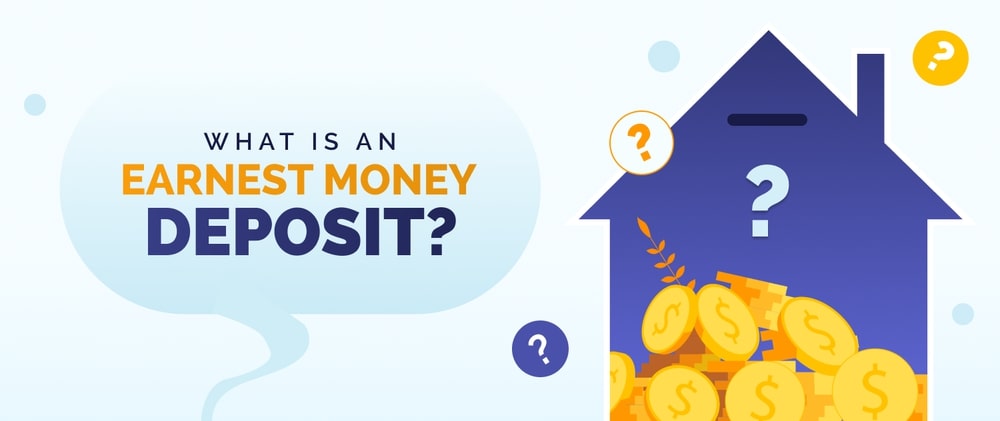
Earnest money is an upfront deposit that a buyer makes when planning to purchase a home, showing that they’re making a serious offer. It’s also called a “good faith deposit” because the buyer is proving to the seller that they have every intention of buying the property if their conditions are met.
When a buyer and seller enter into a purchase agreement, the seller takes the home off the market while the transaction moves through the entire process to closing. Having earnest money keeps the buyer committed to moving forward with the home purchase while also giving the seller enough confidence and insurance to stop accepting new offers.
It’s important to remember that earnest money is different from the down payment. This deposit is usually cashed and held in a neutral third-party, such as the title company’s trust account or the broker’s escrow company account, for safe-keeping until the purchase agreement is either completed or terminated.
An earnest money deposit isn’t required, as there are no laws stating that home offers must have money attached to them. But it’s a common practice and even a necessity, especially if you’re shopping for a home in a competitive market. Sellers are likely to favor an offer that includes an earnest money commitment as it provides them extra assurance. If it’s a seller’s market and you’re going up against multiple offers, you might be better off submitting an offer with earnest money attached.
While there are no set amounts, most home buyers offer between one percent to three percent of the home’s sale price. The amount you’ll deposit as earnest money will also depend on factors such as the current market, the local policies and limitations in your state, what’s customary in your market, or even what the seller requires. You can deposit more if you want to make your offer stand out, or offer less if you’re in a buyer’s market.
Work with a knowledgeable real estate agent to help you understand how much earnest money to offer. If you plan to purchase a home in a neighborhood where cash offers and bidding wars are common, they may recommend a higher good faith deposit as you could risk losing the home to the one with a stronger offer. But if it’s a slow or moderate market, a good faith deposit in the standard range may suffice.
Your earnest money deposit will stay in the escrow account until you officially close on the home. Assuming that the deal goes smoothly, the deposit is then applied to your down payment or closing costs. Essentially, you’re just putting up some of the money upfront.
For some loans that don’t require a down payment, such as VA and USDA loans, the earnest money will be applied directly to closing costs. If the earnest money deposit is more than the closing costs, the buyer can get the remainder back.
But what if the deal falls through and you’re unable to close on the home, will you get your earnest money back? It depends on how the purchase agreement is written. Your contract includes contingencies that spell out when the earnest money is refundable and when it becomes nonrefundable, as well as how the refund is handled.
If you include contingencies with your offer, you’ll get the earnest money back if a contingency isn’t met. For example, if you’ve included a home inspection contingency in your offer and the home inspection reveals structural damage or severe defects, you may choose to cancel the home purchase and your earnest money deposit will be refunded. Additionally, if a financing contingency is included in the contract and your financing falls through because of appraisal or approval issues, you’ll get your money back.
But if you break the contract without cause, back out of the deal for a reason not listed in any of the contingencies, or simply change your mind about the purchase, the seller might be able to keep your earnest money. You may also lose your earnest money if you cancel the deal after your contingencies have passed their expiration dates.
Earnest money deposits can mean several thousand dollars—a huge sum that can be put towards other aspects of your homeownership dream. This is why it’s important to take steps to protect your money. The best way is to talk to your real estate agent about ways to safeguard your deposit, and have them walk you through the entire purchase contract before you sign anything. Other things you can do to protect your earnest money include:
Using an escrow account: Never give funds directly to a home seller, or wire the money to the real estate brokerage, attorney or title company without first confirming the wire instructions have been sent from a legitimate source. When the funds are deposited, make sure you get a receipt.
Understanding the terms of your contingencies: Again, your agent or real estate attorney can explain all contingencies and what your obligations are as the buyer, as well as the best way to waive a contingency if that’s the right strategy. Make sure you know your end of the bargain and in what circumstances you would keep or forfeit the earnest money.
Staying on top of deadlines: The contract will likely include a timeline of when things need to be done, such as the inspection or loan approval. If you miss a deadline, the seller might claim you’re in breach of contract, which means they could terminate the agreement and keep your earnest money deposit.
What is an Earnest Money Deposit? A Guide for Buyers and Sellers
When you put an offer on a home, you’d want to do everything you can to make your bid more competitive. One way to do this is through earnest money. But what is it, exactly? And how much do you need?
Since providing earnest money deposits is an essential part of the home buying process, here’s what you should know about them.
Earnest money is an upfront deposit that a buyer makes when planning to purchase a home, showing that they’re making a serious offer. It’s also called a “good faith deposit” because the buyer is proving to the seller that they have every intention of buying the property if their conditions are met.
When a buyer and seller enter into a purchase agreement, the seller takes the home off the market while the transaction moves through the entire process to closing. Having earnest money keeps the buyer committed to moving forward with the home purchase while also giving the seller enough confidence and insurance to stop accepting new offers.
It’s important to remember that earnest money is different from the down payment. This deposit is usually cashed and held in a neutral third-party, such as the title company’s trust account or the broker’s escrow company account, for safe-keeping until the purchase agreement is either completed or terminated.
An earnest money deposit isn’t required, as there are no laws stating that home offers must have money attached to them. But it’s a common practice and even a necessity, especially if you’re shopping for a home in a competitive market. Sellers are likely to favor an offer that includes an earnest money commitment as it provides them extra assurance. If it’s a seller’s market and you’re going up against multiple offers, you might be better off submitting an offer with earnest money attached.
While there are no set amounts, most home buyers offer between one percent to three percent of the home’s sale price. The amount you’ll deposit as earnest money will also depend on factors such as the current market, the local policies and limitations in your state, what’s customary in your market, or even what the seller requires. You can deposit more if you want to make your offer stand out, or offer less if you’re in a buyer’s market.
Work with a knowledgeable real estate agent to help you understand how much earnest money to offer. If you plan to purchase a home in a neighborhood where cash offers and bidding wars are common, they may recommend a higher good faith deposit as you could risk losing the home to the one with a stronger offer. But if it’s a slow or moderate market, a good faith deposit in the standard range may suffice.
Your earnest money deposit will stay in the escrow account until you officially close on the home. Assuming that the deal goes smoothly, the deposit is then applied to your down payment or closing costs. Essentially, you’re just putting up some of the money upfront.
For some loans that don’t require a down payment, such as VA and USDA loans, the earnest money will be applied directly to closing costs. If the earnest money deposit is more than the closing costs, the buyer can get the remainder back.
But what if the deal falls through and you’re unable to close on the home, will you get your earnest money back? It depends on how the purchase agreement is written. Your contract includes contingencies that spell out when the earnest money is refundable and when it becomes nonrefundable, as well as how the refund is handled.
If you include contingencies with your offer, you’ll get the earnest money back if a contingency isn’t met. For example, if you’ve included a home inspection contingency in your offer and the home inspection reveals structural damage or severe defects, you may choose to cancel the home purchase and your earnest money deposit will be refunded. Additionally, if a financing contingency is included in the contract and your financing falls through because of appraisal or approval issues, you’ll get your money back.
But if you break the contract without cause, back out of the deal for a reason not listed in any of the contingencies, or simply change your mind about the purchase, the seller might be able to keep your earnest money. You may also lose your earnest money if you cancel the deal after your contingencies have passed their expiration dates.
Earnest money deposits can mean several thousand dollars—a huge sum that can be put towards other aspects of your homeownership dream. This is why it’s important to take steps to protect your money. The best way is to talk to your real estate agent about ways to safeguard your deposit, and have them walk you through the entire purchase contract before you sign anything. Other things you can do to protect your earnest money include:
Using an escrow account: Never give funds directly to a home seller, or wire the money to the real estate brokerage, attorney or title company without first confirming the wire instructions have been sent from a legitimate source. When the funds are deposited, make sure you get a receipt.
Understanding the terms of your contingencies: Again, your agent or real estate attorney can explain all contingencies and what your obligations are as the buyer, as well as the best way to waive a contingency if that’s the right strategy. Make sure you know your end of the bargain and in what circumstances you would keep or forfeit the earnest money.
Staying on top of deadlines: The contract will likely include a timeline of when things need to be done, such as the inspection or loan approval. If you miss a deadline, the seller might claim you’re in breach of contract, which means they could terminate the agreement and keep your earnest money deposit.


Navigate
Premier Mortgage Team is committed to providing an accessible website. If you have difficulty accessing content, have difficulty viewing a file on the website, or notice any accessibility problems, please contact us at 269.293.4652 to specify the nature of the accessibility issue and any assistive technology you use. We strive to provide the content you need in the format you require
Copyright© 2026. Premier Mortgage Team, NMLS# 2334. All rights reserved. State Licenses. Privacy Policy. Consumers. Legal Disclosures. Sitemap. Real Estate Website Design by GoHighLevel
Premier Mortgage Team is committed to providing an accessible website. If you have difficulty accessing content, have difficulty viewing a file on the website, or notice any accessibility problems, please contact us at 269.293.4652 to specify the nature of the accessibility issue and any assistive technology you use. We strive to provide the content you need in the format you require
Copyright© 2026. Premier Mortgage Team, NMLS# 2334. All rights reserved. State Licenses. Privacy Policy. Consumers. Legal Disclosures. Sitemap. Real Estate Website Design by GoHighLevel